
In today's rapidly changing world, where climate change and environmental risks pose significant challenges, Green and Sustainable Finance has emerged as powerful tools to drive the transition to a low-carbon, resilient economy.
Green Finance focuses on financing initiatives aimed at reducing greenhouse gas (GHG) emissions and promoting renewable energy sources. These efforts are crucial in preserving our ecosystems and ensuring a sustainable future for generations to come.
Sustainable Finance goes a step further, integrating Environmental, Social, and Governance (ESG) factors into investment and business decisions. By weighing social and governance considerations alongside environmental goals, sustainable finance creates long-term value for people, the planet, and businesses alike, driving inclusive economic growth that benefits everyone.
As one of Bangladesh's leading private commercial banks, BRAC Bank recognizes the critical role financial institutions play in channeling capital toward a greener, more resilient economy. Through our Sustainable Finance Department, we work to embed environmental and social considerations into our core banking operations from green and sustainable financing to climate risk management and responsible lending practices. Our approach is shaped by Bangladesh Bank's sustainability and green finance guidelines, ensuring that our practices align with national priorities for environmental stewardship and inclusive growth.
At BRAC Bank, we are committed to supporting this transformation helping businesses, communities, and individuals across Bangladesh build resilience against climate and environmental risks while fostering long-term, sustainable growth. Together, we can build a greener, more sustainable future for all.
Global Milestone: BRAC Bank Joins PCAF Climate Data Working Group
BRAC Bank PLC has been selected as a core member of the Partnership for Carbon Accounting Financials (PCAF)’s Global Climate Data Working Group, joining as the first Bangladeshi Bank along with leading global financial institutions for shaping international climate data standards. This recognition reflects the Bank’s sustained commitment to sustainable finance and reinforces its position as a thought leader in climate finance, both nationally and internationally.
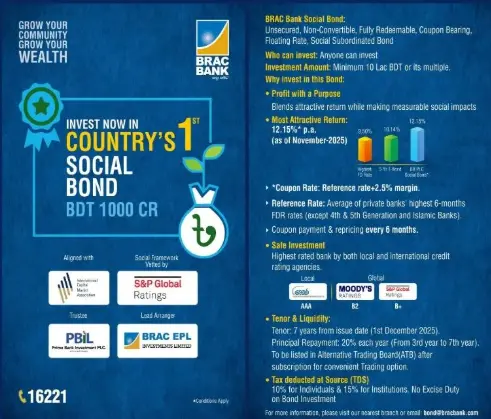
BRAC Bank has issued first-ever social bond of Bangladesh, aligned with the 2025 ICMA Social Bond Principles, marks a transformative step for financial inclusion in the country. The bank will allocate 79% of proceeds to CMSME financing, prioritizing collateral-free loans to spark employment.
BRAC Bank has achieved a major milestone by being ranked the No. 1 sustainable bank in Bangladesh by Bloomberg.


1. Green Finance Portfolio in 2026
BDT 61,679 million
2. Sustainable Finance Portfolio in 2026
BDT 592,815 million
3. CSR Expenditure
BDT 247.09 million
Learn More:
BRAC Bank continued to strengthen its sustainability culture and embed ESG principles across the organization through ALO, the Bank’s internal digital learning platform, by delivering a succinct training program on Sustainability and Sustainable Finance. In 2025 over 1,300 employees participated in the training.


Find Your Help Desk:
Learn More
If you're interested in exploring sustainable finance solutions or need guidance on financing a green project, visit one of our 50 dedicated Sustainable Finance Help Desks across the country. Our experts are ready to help you navigate through the various financing options available and support you on your path to a more sustainable future. Feel free to contact us or visit any of the listed branches to get started on your sustainability journey today.
| Branch Name | Branch Name | Branch Name | Branch Name |
|---|---|---|---|
| Satmasjid Road Branch | Panthapath Branch | Jatrabari SMESC Branch | Moghbazar Branch |
| Uttara Jashim Uddin Branch | Imamganj Branch | Mitford Branch | Shaymoli Branch |
| JASHORE Branch | North Gulshan Branch | Motijheel Branch | Bonosree Branch |
| Rajshahi Branch | Rampura Branch | Progati Sarani Branch | Bijoynagar Branch |
| Dholaikhal Branch | Mirpur Branch | Mohammadpur Branch | Mirpur Section 01 Branch |
| Natun Bazar Branch | CDA Avenue Branch | Agrabad Branch | KazirDewri Branch |
| Halishahar Branch | Ashulia Branch | Badda Branch | Banani-11 Branch |
| Barisal Branch | Board Bazar Branch | Bogura Branch | Chuadanga Branch |
| Cumilla Branch | Demra Branch | Faridpur Branch | Islampur Branch |
| Khulna Branch | Madhabdi Branch | Maijdee Branch | Mohakhali Branch |
| Moulvibazar Branch | Mymensingh Branch | Narayanganj Branch | Pabna Branch |
| Rangpur Branch | Savar Branch | Sirajganj Branch | Sylhet Branch |
| Tangail Branch | Zinzira Branch |
Environment and Social Risk Management System Policy
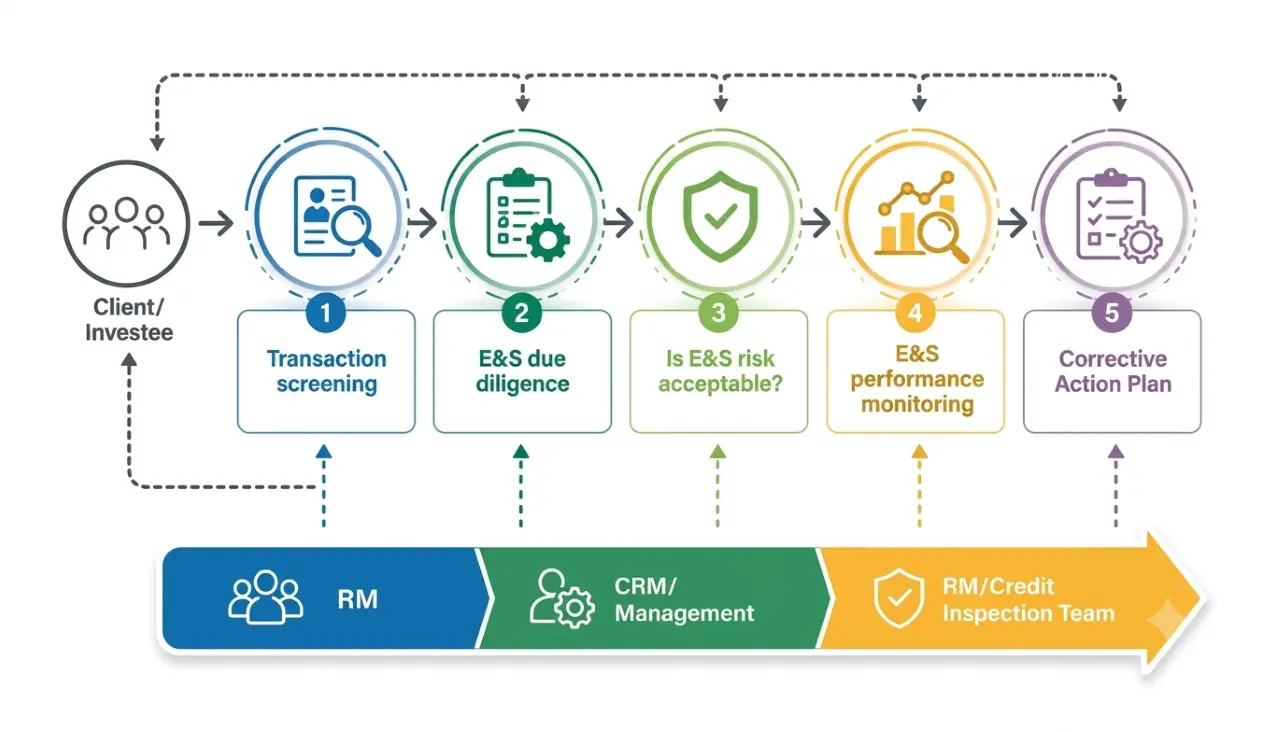
Our Environmental and Social Risk Management (ESRM) is a structured framework to identify, assess, mitigate, and monitor environmental and social risks across lending and investment activities, embedded as a core part of the Bank's overall risk management.
The ESRM framework covers:
It is fully integrated into credit processes, Environmental and Social Due Diligence (ESDD) is conducted before disbursement, with ongoing monitoring by Relationship Managers and independent oversight through Credit Inspection. The Bank aligns its practices with Bangladesh Bank's ESRM Guidelines, CSR Guidelines, Sustainable Finance Policy, and Climate-related Disclosure Guidelines, and is working toward compliance with the new Climate Risk Management Guideline by 2027.
Our ESRM process:
BRAC Bank’s Exclusion List
We maintain an Exclusion List identifying activities we do not finance, regardless of commercial viability. This reflects global best practice followed by institutions, as well as leading banks worldwide and is fully integrated into our values and credit risk process ensuring every financing decision aligns with our commitment to responsible sustainable banking.
Learn More
1. Production or trade in any product or activity deemed illegal under host country laws or regulations or international conventions and agreements, or subject to international bans, such as pharmaceuticals, pesticides/herbicides, ozone depleting substances, PCB's, wildlife or regulated under the Convention on International Trade in Endangered Species (CITES). (Links: United Nations (UN) list of banned chemicals and products; http://www.un.org/esa/coordination/Consolidated.list-13FinalFinal.pdf and CITES list of endangered species: http://www.cites.org/eng/app/E-Apr27.pdf )
2. Forced Labour or Child Labour in Hazardous Working Conditions
3. Any product or activity deemed illegal under host country laws or regulations or international conventions and agreements, or subject to international phase-outs or bans, such as:
4. Cross-border trade in waste and waste products, unless compliant with the Basel Convention and the underlying regulations.
5. Financing in Coal Power and Mining activities such as
6. Destruction of High Conservation Value areas.
Destruction means the (1) elimination or severe diminution of the integrity of an area caused by a major, long-term change in land or water use or (2) modification of a habitat in such a way that the area’s ability to maintain its role is lost.
7. Radioactive materials.
This does not apply to the purchase of medical equipment, quality control (measurement) equipment or any other equipment where the radioactive source is understood to be trivial and/or adequately shielded.
8. Unbounded asbestos fibres.
This does not apply to purchase and use of bonded asbestos cement sheeting where the asbestos content is less than 20%.
9. Pornography or prostitution.
10. Racist and anti-democratic media
11. Commercial logging operations for use in primary tropical moist forest
12. Production or trade in wood or other forestry products other than from sustainably managed forests
13. Production of trade in radioactive materials and unbounded asbestos fibres.
14. Production or activities that impinge on the lands owned, or claimed under adjudication,
by Indigenous Peoples, without full documented consent of such peoples.
15. Ship breaking/ trading activities which include:
16. In the event of any of the following products form a substantial part of a company’s primary operations, or a financial institution, investment fund or company’s financed business activities.
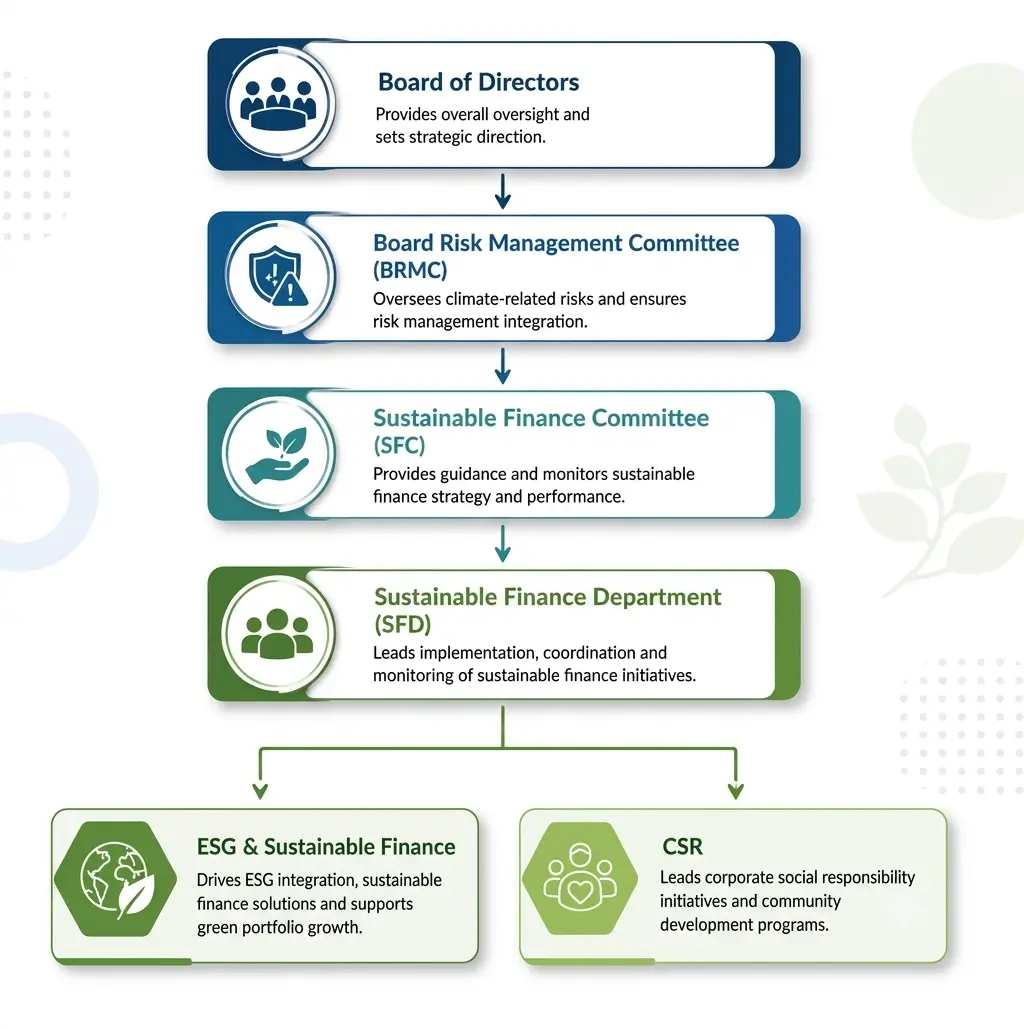


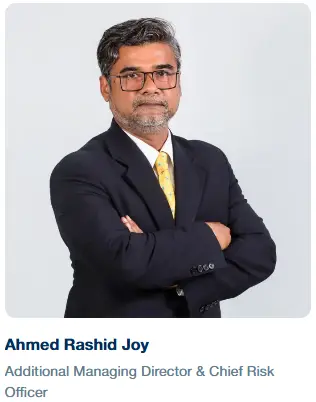
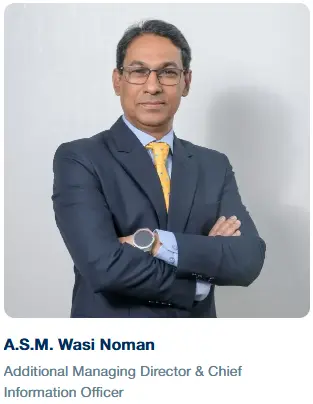
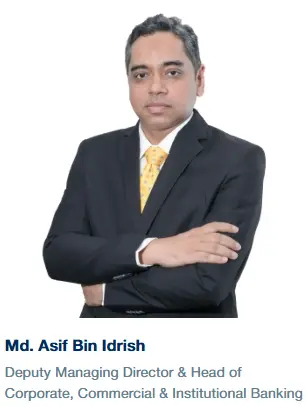
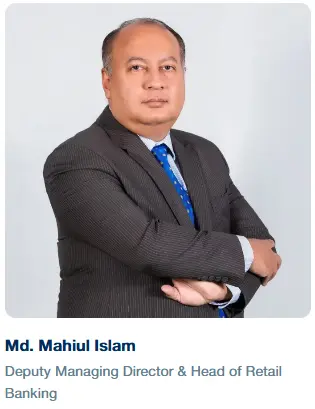
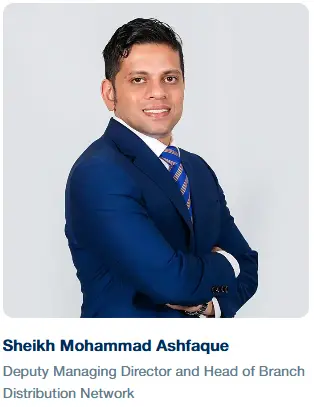
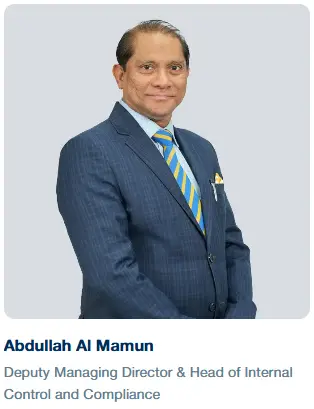
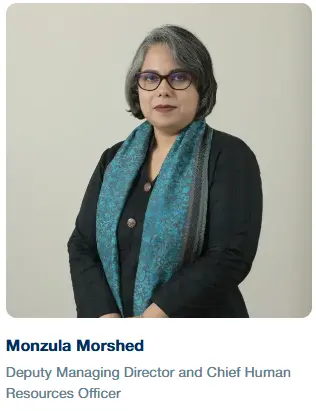
To advance its sustainability agenda and strengthen ESG integration across the Bank, BRAC Bank has established the Sustainable Finance Department (SFD) as the central coordinating body for sustainability-related initiatives under the guidance of the Sustainable Finance Committee. The Department is responsible for embedding sustainability considerations into strategy, operations, risk management and stakeholder engagement processes.
The Department operates through two dedicated wings:
ESG & Sustainable Finance Wing: Sustainable finance, ESG integration, sustainability reporting and climate risk management
Corporate Social Responsibility (CSR) Wing: Community development, financial inclusion and social impact initiatives

BRAC Bank is committed to calculating and disclosing its greenhouse gas (GHG) emissions across Scope 1, Scope 2, and Scope 3, using the Partnership for Carbon Accounting Financials (PCAF) methodology. This commitment aligns with our broader sustainability goals and emphasizes transparency in our operations. Our GHG emission data, fully endorsed by PCAF, is publicly available on their website, providing full visibility into our progress and ensuring that our practices align with international reporting standards.
You can view our sustainability data on PCAF's website through this link.
Sustainability Report
To ensure transparency, consistency, and global comparability, our sustainability report has been prepared following internationally recognized sustainability reporting standards and frameworks, including:
Demonstrating leadership within Bangladesh’s banking sector, BRAC Bank continues to strengthen climate-related reporting and carbon accounting practices. The Bank measures and reports Scope 1, Scope 2, and Scope 3 greenhouse gas (GHG) emissions using the PCAF methodology, ensuring transparent and standardized measurement of both operational and financed emissions.
You can access all the reports here.
ESG & Sustainable Finance Team





Contact Information
Tashmeem Muntazir Chowdhury
Head of ESG & Sustainable Finance
Email: tashmeem.muntazir@bracbank.com
